Field Guide – |
1.16.26
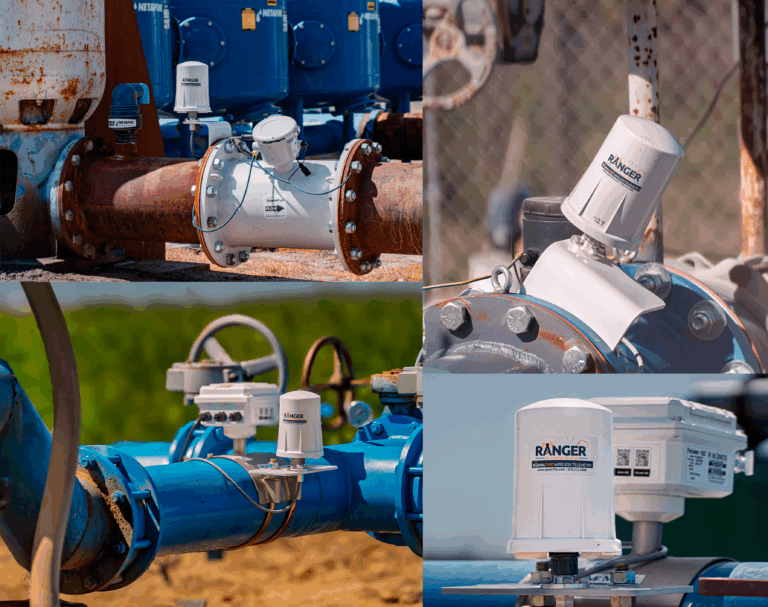
SignalFire Telemetry products connect you with crucial product and hardware data at any of your oil and gas operation sites—whether it’s a pump, pipeline, or storage tank.

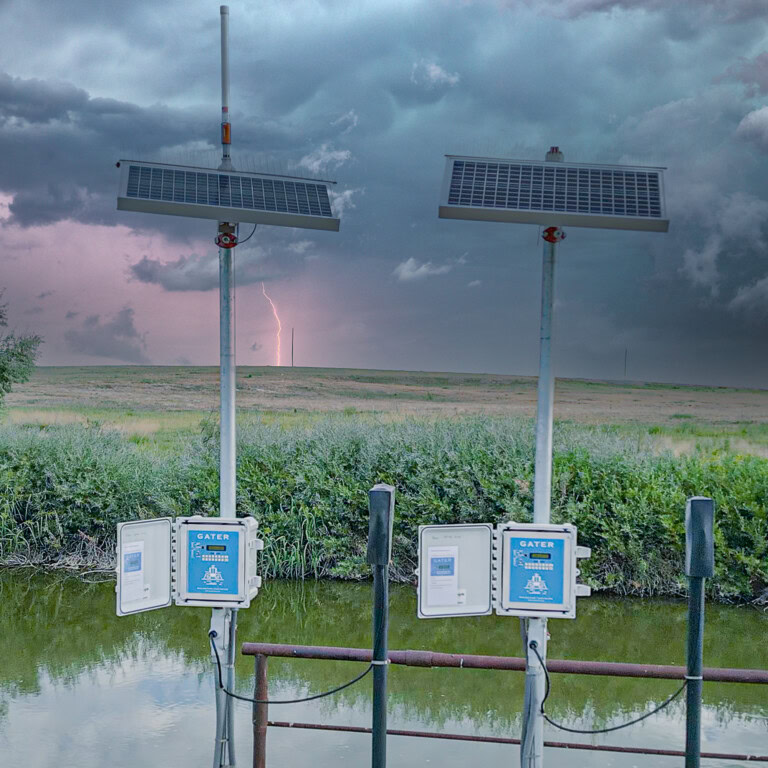
SignalFire Telemetry devices install anywhere water asset monitoring is needed, whether it’s for collection purposes, treatment, or delivery.

SignalFire Telemetry devices can monitor key assets and can do it affordably, without any renovation or high-priced engineering costs. They install easily with no required cable or additional power. The data is available on your phone or computer and the cloud service can even output to your corporate system to integrate with the rest of your data and keep your operation running.

SignalFire Telemetry devices can monitor and manage water supplies and additives throughout the property, helping you avoid catastrophic shortages and keep your irrigation plan on track.

Avoid costly product loss in bulk storage tanks, terminals, and transportation movements. Whether calling for tank levels, gauge pressure, or even movement pumps or pipelines, SignalFire products can fill any monitoring gap throughout a facility.

Environmental fines for businesses are frustrating and can bring business to a standstill until they’re worked out. No business wants to hurt the environment, and in competitive markets stopping production affects the bottom line and staff. But there are effective and affordable solutions with SignalFire Telemetry devices.

Expand visibility and control of your refinery or petrochemical processing facility without expensive renovations or redesigns. And do it with your current gauges and hardware. SignalFire telemetry devices are designed to work in harsh chemical environments and meet the strictest safety and security standards

No matter the size of your service map, monitoring remote assets ensures efficiency and keeps your operation in compliance. That’s how SignalFire devices can really help, offering the most affordable and effective monitoring solution that will monitor liquid, gas, electricity, and other assets.

Browse all documentation pertaining to SignalFire products.

Have a RANGER? Set up your Cloud account here.
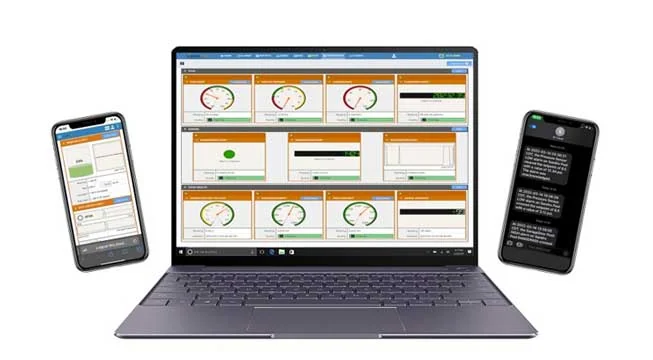
Explore the diverse applications of SignalFire Wireless Telemetry Systems across different industries.
Access our latest brochures to explore comprehensive information about our products and services.

Easily find the sensors that are compatible with our systems on this dedicated page.
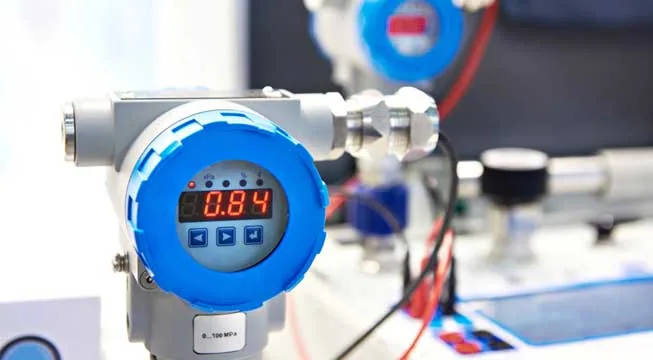
Explore a comprehensive collection of images showcasing our products, installations, and real-world applications.
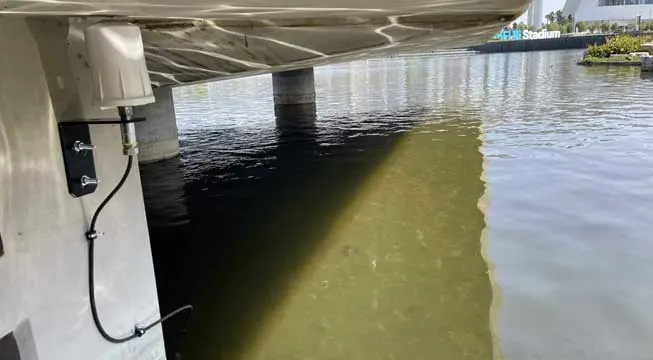
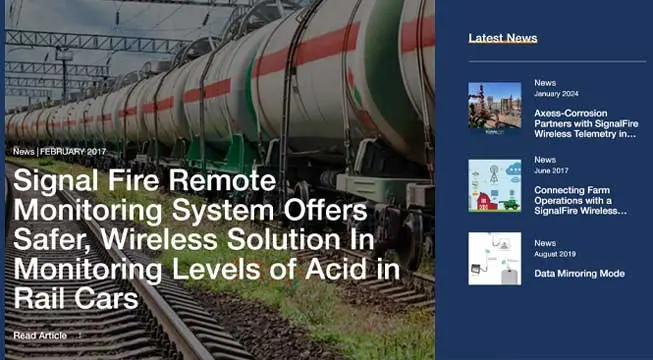
Stay up to date with the latest content from SignalFire.
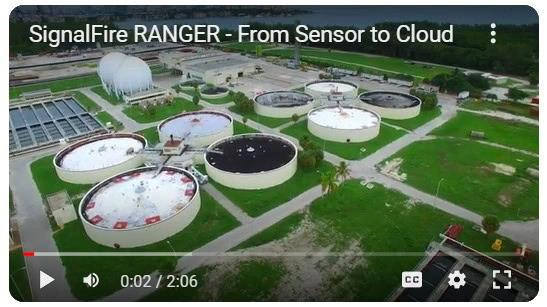
Explore our video library.
Get access to the RANGER and SignalFire Toolkit Software.

SignalFire Remote Sensing Systems (SFRSS) implement a two-way mesh technology that couples an innovative message-forwarding architecture with low-cost, high-power ISM-band radios to create a simple, affordable wireless remote monitoring and control system. 
At the heart of every SFRSS are remote transceiver “Sentinel” nodes (radio modules) that interface with sensors, extracting data and sending a powerful, long-range transmission of data to a Gateway in the unlicensed ISM bands that sustains signal strength through terrain, structures, or weather.
Good radio reception in data transmission from these radio modules is affected by several factors including antenna/system mounting and interference from outside/other RF sources. These tips will help you boost radio reception for greater telemetry system performance.
The rules for antenna placement are simple but often difficult to deploy in the field. For best configuration, follow these rules as closely as possible.

SignalFire Stick Antenna/Systems are designed for mounted using a ¾” conduit screwed into the base of the Stick. The six-conductor wire can be routed through the conduit. Keep the Stick away from any metal mounting pole by at least 8 inches.
The SignalFire Radio System is programmed to only transmit data when necessary to preserve bandwidth for other systems. Unfortunately, some other radio systems do not perform like this and transmit continually. There are several ways to determine whether this will be a problem or not.

An antenna is ideally mounted away from the pole and other metal objects while poor antenna placement is too close to other objects. The last antenna mounting configuration is considered “bad” as the directional antenna is pointing right at it.
Most Yagi antennas connect to remote or slave radios that do not transmit very often, similarly to a SignalFire Sentinel node or Gateway. SignalFire equipment is very “frequency band friendly” and does not use up (in time) much bandwidth.
For more answers to your antenna mounting questions, contact us at support@signal-fire.com. Find answers to other frequently asked questions here.
Get in Touch With Us and Tell Us About Your Toughest Monitoring and Control Challenges.