
Get in Touch With Us and Tell Us About Your Toughest Monitoring and Control Challenges.
SignalFire Telemetry products connect you with crucial product and hardware data at any of your oil and gas operation sites—whether it’s a pump, pipeline, or storage tank.

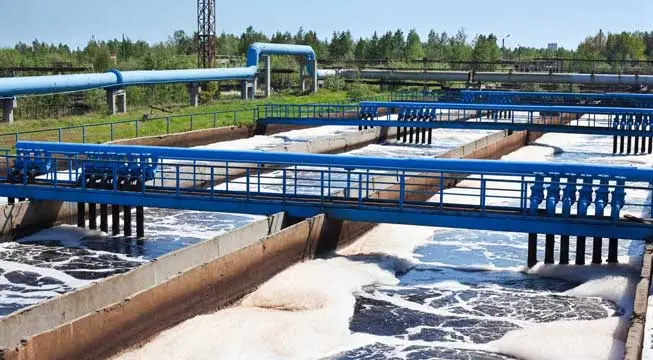
SignalFire Telemetry devices install anywhere water asset monitoring is needed, whether it’s for collection purposes, treatment, or delivery.
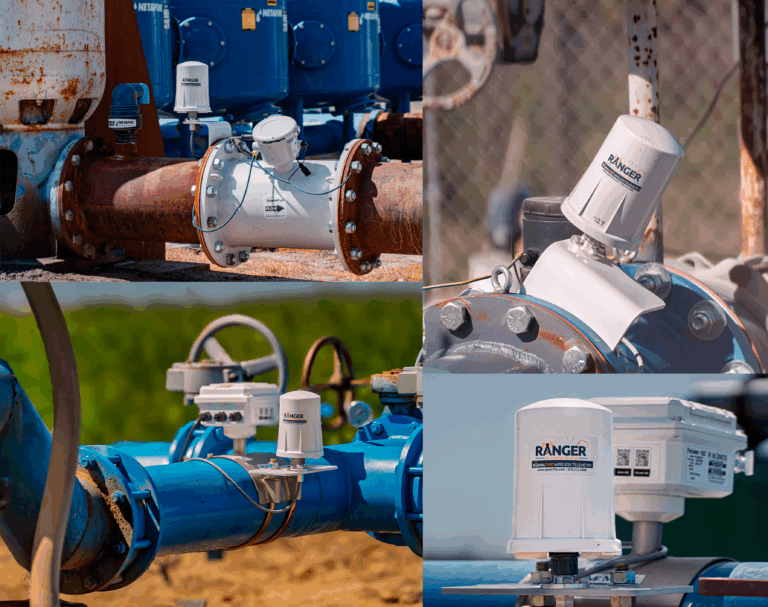
SignalFire Telemetry devices can monitor key assets and can do it affordably, without any renovation or high-priced engineering costs. They install easily with no required cable or additional power. The data is available on your phone or computer and the cloud service can even output to your corporate system to integrate with the rest of your data and keep your operation running.
SignalFire Telemetry devices can monitor and manage water supplies and additives throughout the property, helping you avoid catastrophic shortages and keep your irrigation plan on track.

Avoid costly product loss in bulk storage tanks, terminals, and transportation movements. Whether calling for tank levels, gauge pressure, or even movement pumps or pipelines, SignalFire products can fill any monitoring gap throughout a facility.
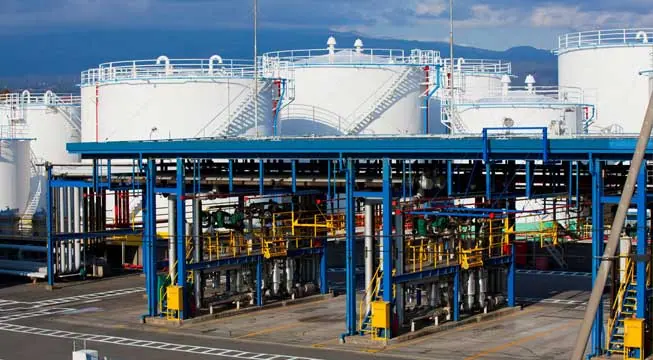
Environmental fines for businesses are frustrating and can bring business to a standstill until they’re worked out. No business wants to hurt the environment, and in competitive markets stopping production affects the bottom line and staff. But there are effective and affordable solutions with SignalFire Telemetry devices.

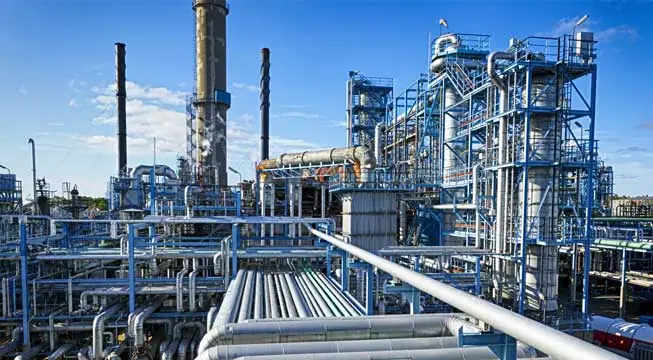
Expand visibility and control of your refinery or petrochemical processing facility without expensive renovations or redesigns. And do it with your current gauges and hardware. SignalFire telemetry devices are designed to work in harsh chemical environments and meet the strictest safety and security standards

No matter the size of your service map, monitoring remote assets ensures efficiency and keeps your operation in compliance. That’s how SignalFire devices can really help, offering the most affordable and effective monitoring solution that will monitor liquid, gas, electricity, and other assets.
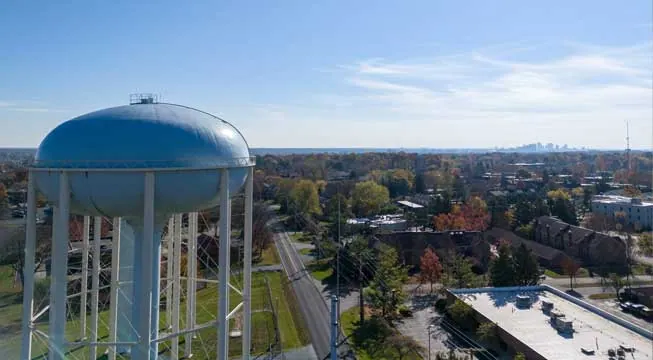


No matter the size of your service map, monitoring remote assets ensures efficiency and keeps your operation in compliance. That’s how SignalFire devices can really help, offering the most affordable and effective monitoring solution that will monitor liquid, gas, electricity, and other assets. They’re Class 1, Div 1 certified. So, wherever you need them, they are built for the job. And you can probably fit them right onto your existing hardware with no extra cables or extra power cords. Wireless or cellular connectivity can be accessed on-demand right on your personal device and even feed your utility management system for seamless data integration. Read more or contact us to shore up monitoring in your utility and keep performance grades high.

Water, gas, electricity, and wastewater are essential to our quality of life. Utilizing wireless telemetry to remotely monitor and control the infrastructure responsible for these resources enables cities to manage their systems more effectively. Our wireless telemetry solutions provide comprehensive monitoring of pumps, water wells, gas and water pressure, fire hydrants, water collection systems, lift stations, and more. This technology enhances efficiency, safety, and operational insights, ensuring cities maintain top-tier infrastructure management.
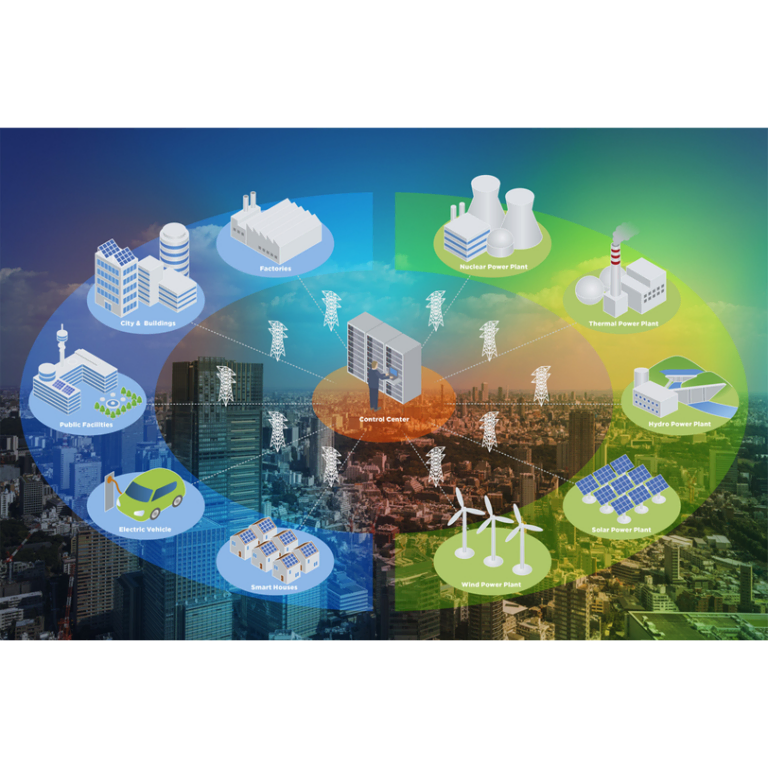
In the electricity sector, wireless telemetry facilitates the implementation of smart grid technologies, which enhance grid reliability, efficiency, and resilience. By integrating sensors, meters, and automation systems into the grid infrastructure, utilities can monitor energy consumption, manage peak demand, and optimize grid operations in real-time. This enables dynamic pricing, demand response programs, and distributed energy resource management, leading to cost savings for both utilities and consumers.

Wireless telemetry supports energy conservation and demand management initiatives by providing utilities and consumers with real-time energy usage data. Smart meters equipped with wireless communication capabilities enable utilities to monitor and analyze energy consumption patterns, identify inefficiencies, and implement targeted demand-side management programs. Consumers can access their energy usage data online or through mobile apps, empowering them to make informed decisions, reduce energy waste, and lower their utility bills.
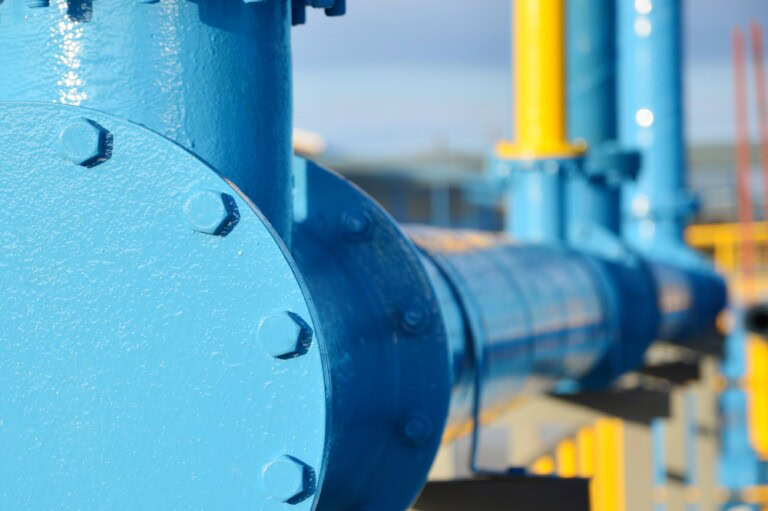
In the water and gas sectors, wireless telemetry systems help utilities companies detect leaks, monitor pipeline integrity, and manage asset performance. By deploying sensors along pipelines and distribution networks, operators can detect leaks or anomalies in real-time, allowing for prompt repairs and minimizing water or gas loss. Additionally, wireless telemetry enables utilities to track the condition of infrastructure assets, schedule maintenance proactively, and optimize asset lifecycle management strategies.

Wireless telemetry supports environmental monitoring and compliance efforts by collecting real-time data on air and water quality, emissions, and environmental conditions. Utilities companies can deploy sensors and monitoring stations to assess environmental impacts, detect pollution incidents, and ensure compliance with regulatory standards. This enables proactive measures to protect public health, mitigate environmental risks, and demonstrate corporate responsibility.

Wireless telemetry enhances customer service and engagement by providing utilities companies with real-time insights into customer needs and preferences. Smart meters and customer-facing applications enable utilities to offer personalized services, billing transparency, and energy-saving tips to consumers. Real-time outage notifications and service alerts also improve communication and responsiveness, enhancing customer satisfaction and loyalty.

Wireless telemetry facilitates predictive maintenance strategies by continuously monitoring equipment health and performance. By analyzing data trends and patterns, utilities companies can predict equipment failures, prioritize maintenance activities, and optimize asset reliability. This proactive approach minimizes downtime, extends asset lifespan, and reduces operational costs for utilities.

Wireless telemetry seamlessly integrates with Internet of Things (IoT) platforms and advanced analytics solutions, enabling utilities companies to harness the full potential of data-driven insights. By combining real-time telemetry data with predictive analytics, machine learning, and artificial intelligence algorithms, utilities can optimize operations, forecast demand, and proactively address emerging challenges such as grid congestion, renewable energy integration, and cybersecurity threats.

In summary, wireless telemetry is a cornerstone technology in the utilities industry, driving innovation, efficiency, and sustainability across energy, water, and gas infrastructure. By leveraging real-time data insights and advanced technologies, utilities companies can improve operational performance, enhance customer satisfaction, and build resilient, future-ready utility systems.
Get in Touch With Us and Tell Us About Your Toughest Monitoring and Control Challenges.